
Courtesy of gettyimages.com
As has been noted in the first issue of the Bagpipe, college football is still chaotic. So chaotic, in fact, that no one is really in charge.
“Wait, really?” you ask. Yes. Though the NCAA and its president Charlie Baker are in charge of all sports, not just collegiate football, they do not actually have much authority. Sure, the NCAA has rules, but what is the point of having rules if no one is following them?
There’s no way to see this more clearly than when looking at the numerous lawsuits from athletes. These lawsuits have mostly dealt with eligibility. Since the NCAA has instituted their new five-for-five eligibility model, where athletes are permitted to play five seasons in five years, some athletes whose eligibility just expired decided to take matters into their own hands.
Many different athletes from the high school class of 2022, the last group who could only play four seasons in five years, sued the NCAA in local courts, arguing that they deserve another year to play their sport. Though the new model was designed to limit eligibility, many athletes gained eligibility from these lawsuits, going completely against the intent behind the rule.
This is just one of numerous examples of athletes in the past year using the local court system to interfere in their sports careers — for instance, avoiding a termination of eligibility because of gambling or attempting to return to college while previously playing professionally.
The United States government has something to say about this.
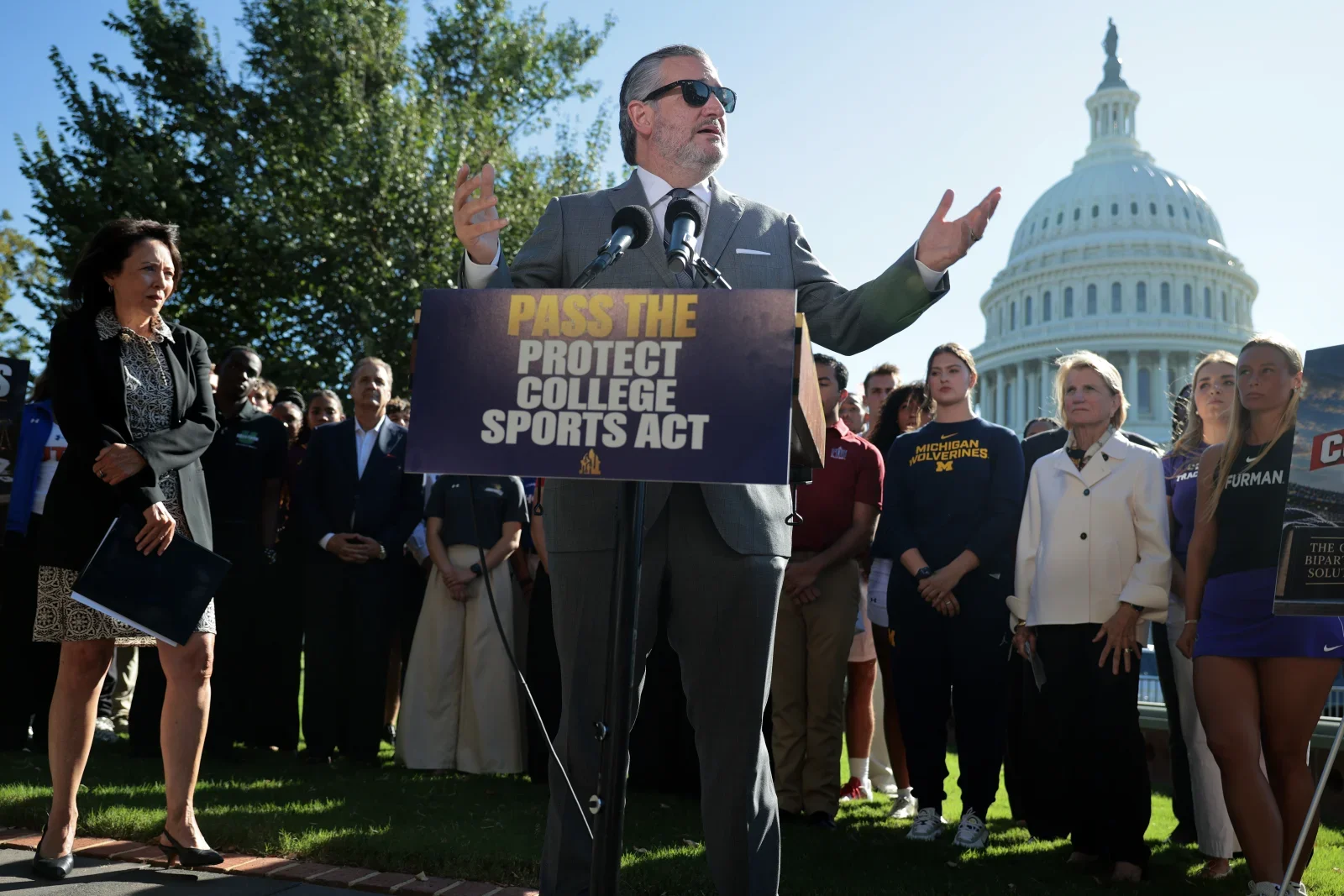
Though many bills have attempted to pass through legislation the past few years, none have gotten as close as the Protect College Sports Act. Only a few weeks ago, this federal bill passed through the U.S. Senate. The bill would slow down the changing of teams from conferences, enforce a harder spending cap to ensure a competitive advantage to smaller schools, and limit players from changing schools every season, ensuring that smaller teams would not have to rebuild half their roster each year.
Unfortunately, many in the industry have doubts, arguing that even if the act passes it will do little to change the landscape of college sports. Right now, however, this is college sports’ best chance at having proper legislation and rules to follow, rules that cannot be overruled by a local court.